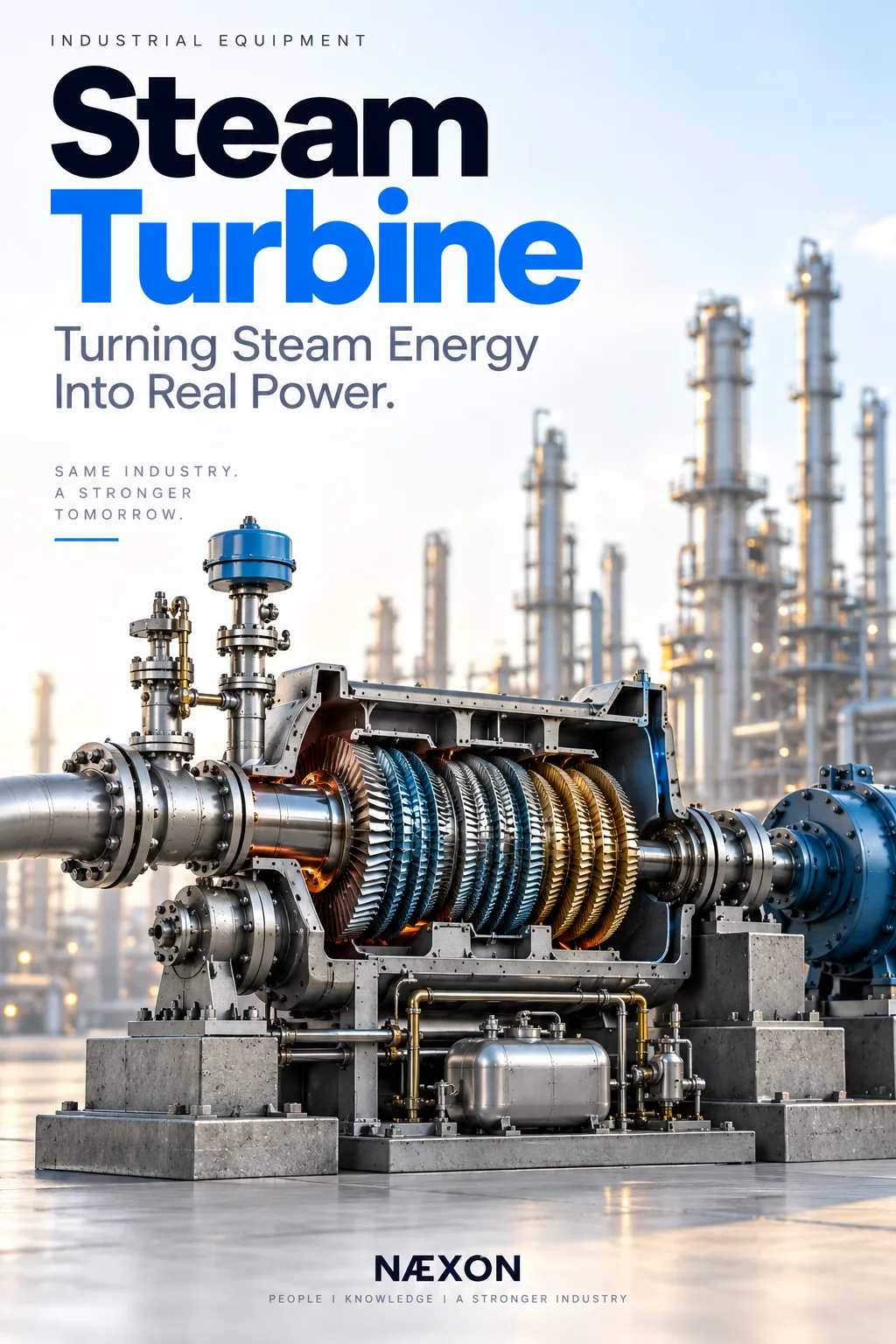
Steam Turbines in Refineries: How They Work
Learn how refinery steam turbines use expanding steam to turn a rotor and drive equipment, including the roles of pressure, bearings, lubrication, vibration, and overspeed protection.
Read article →Næxon Journal
220 articles
Learn how refinery steam turbines use expanding steam to turn a rotor and drive equipment, including the roles of pressure, bearings, lubrication, vibration, and overspeed protection.
Read article →Learn how refinery pressure vessels and separators manage gas and liquid phases, with a focus on inlets, internal devices, outlets, pressure, and level control.
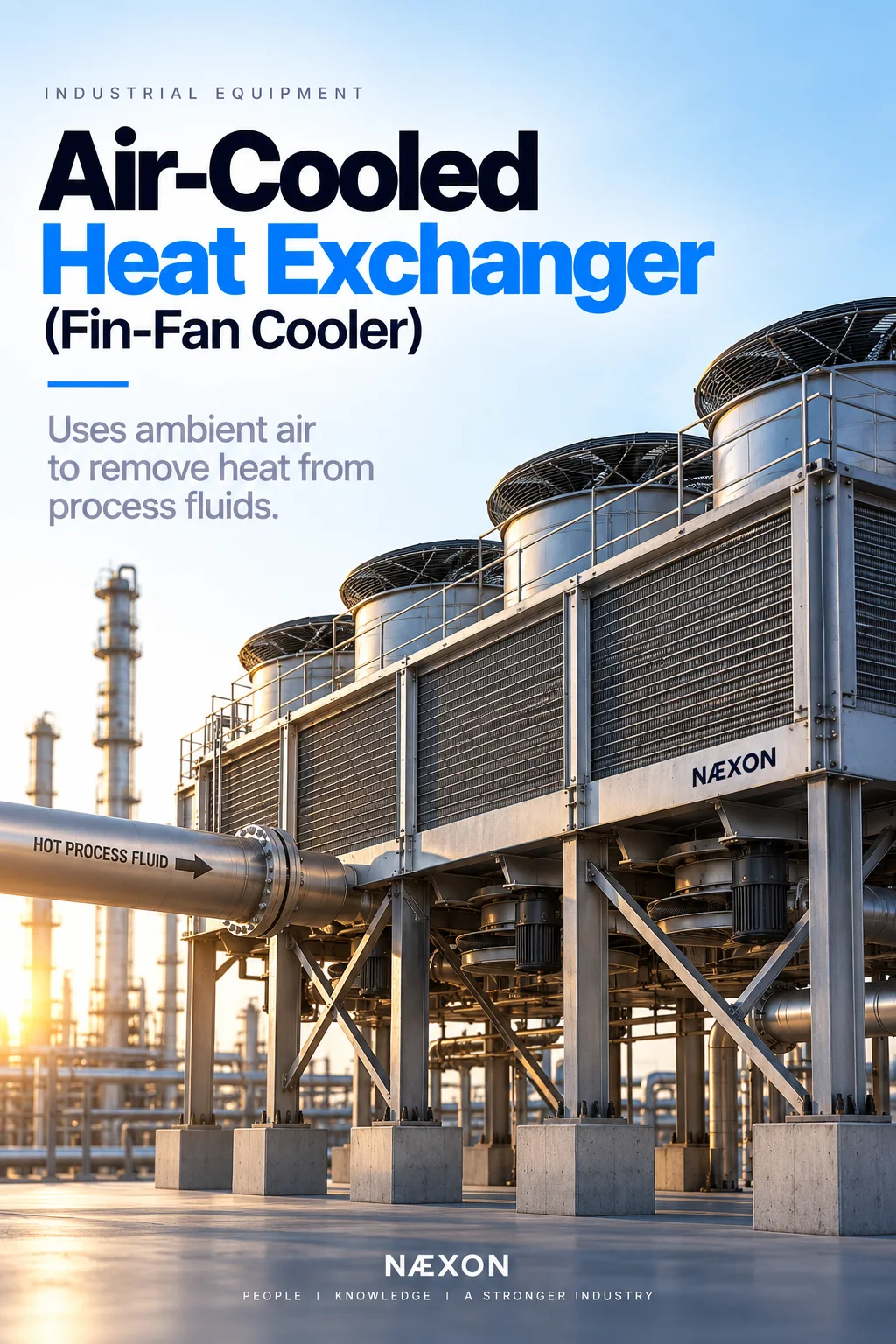
Read article →Learn how refinery fin fan coolers use fans and finned tube bundles to transfer heat from process fluids into ambient air.
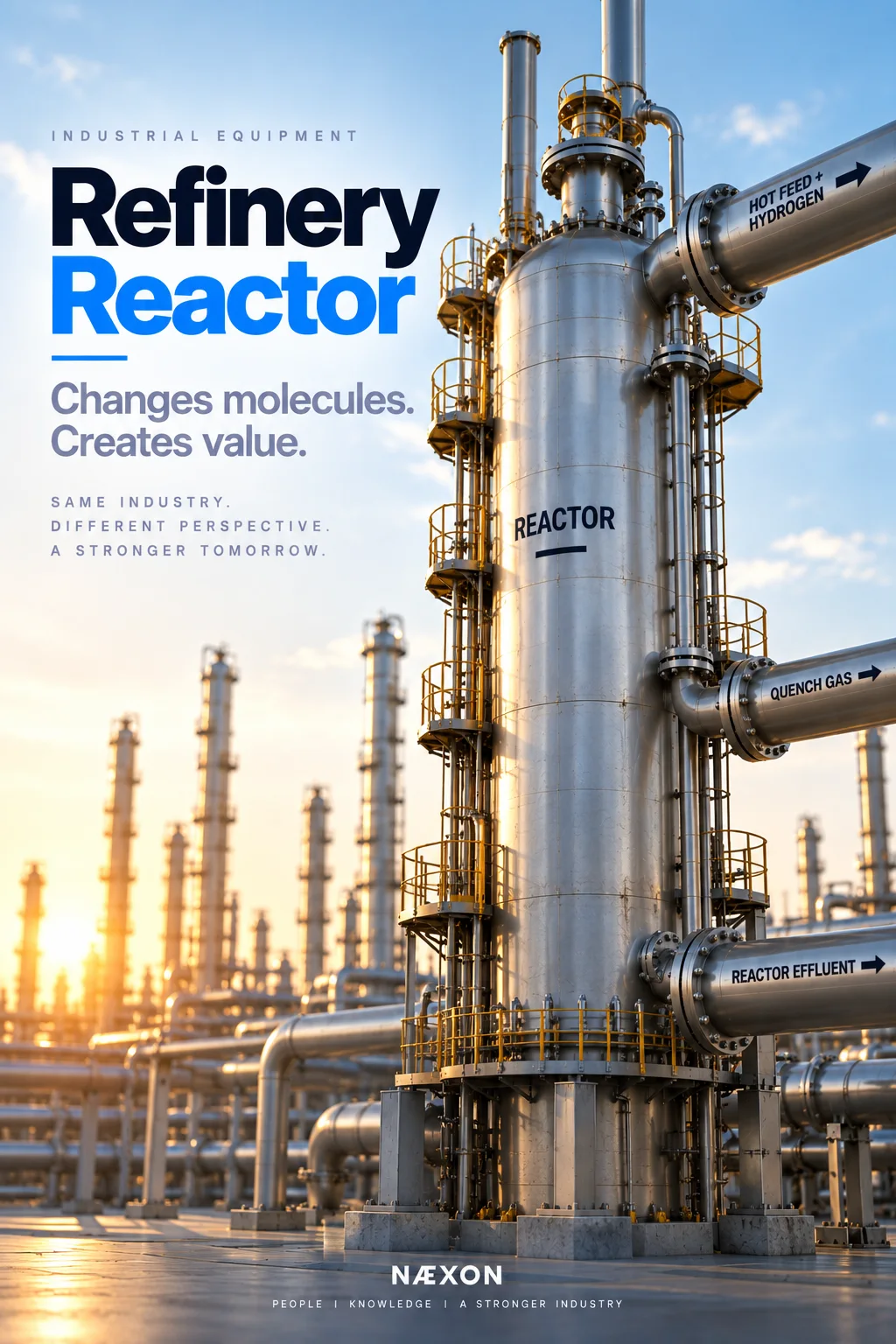
Read article →Learn how refinery reactors chemically change process streams in hydrotreating, cracking, reforming, and other conversion services.
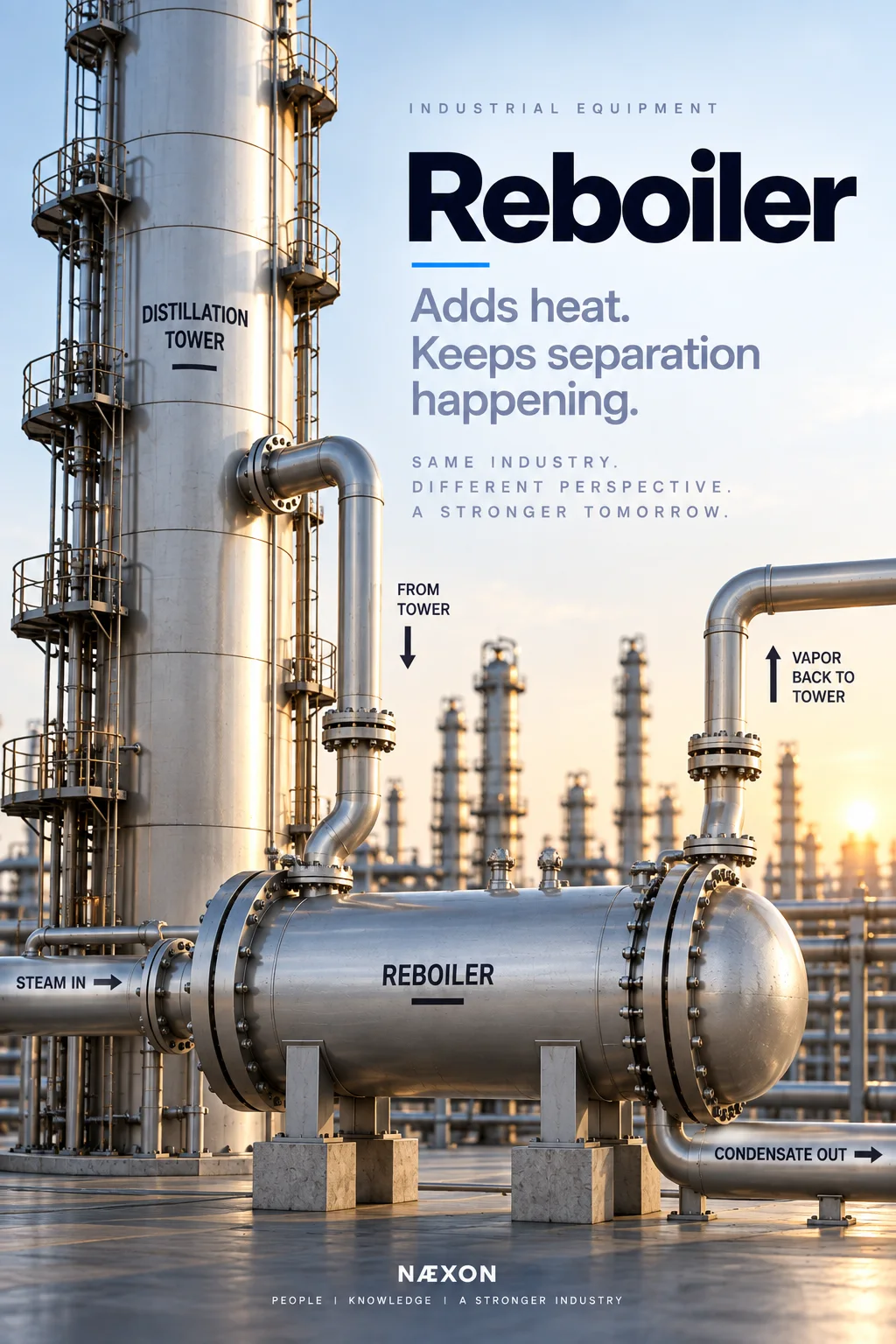
Read article →Learn how a refinery reboiler heats tower-bottom liquid to create rising vapor that drives distillation and helps maintain separation.
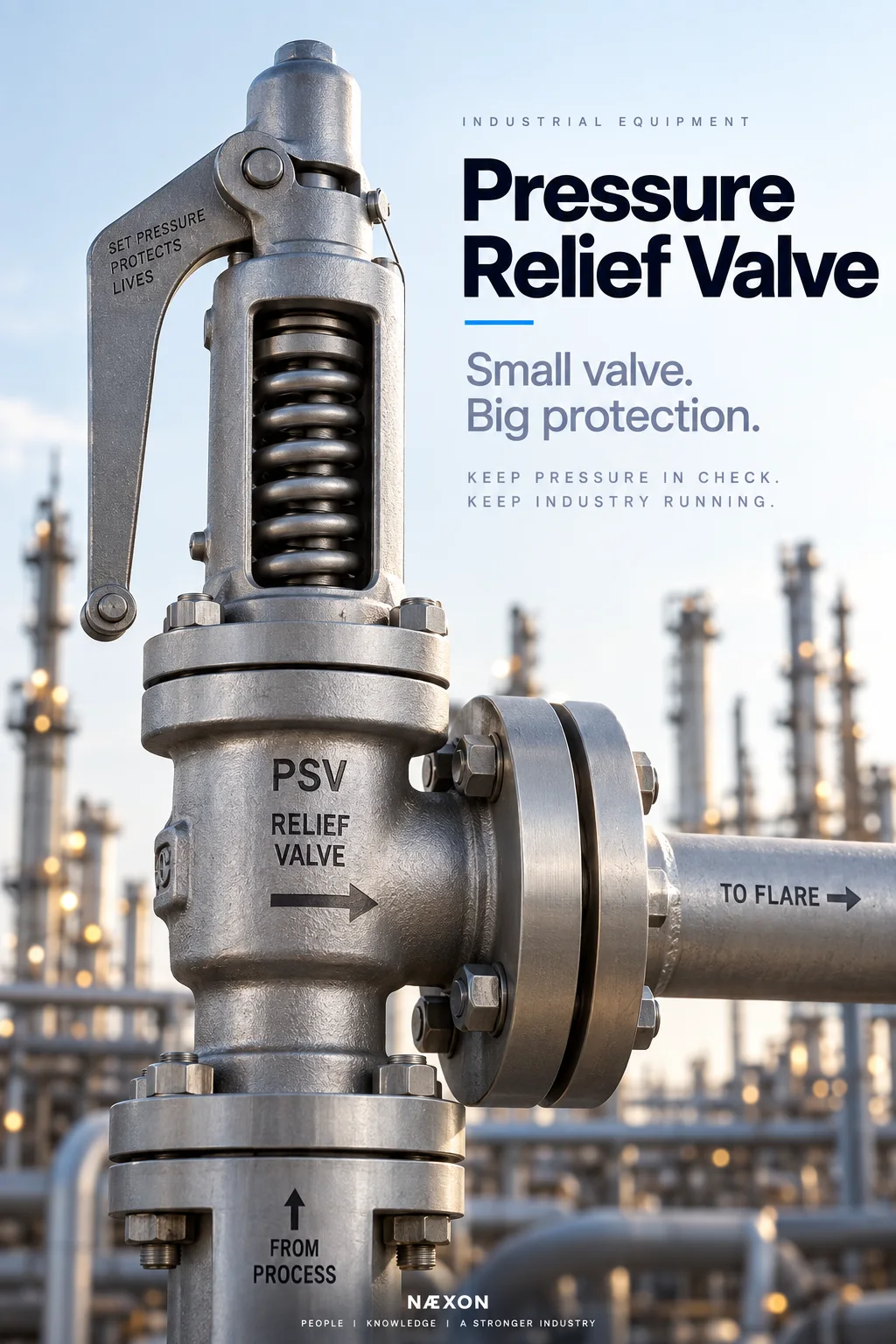
Read article →Learn the basic action and components of refinery pressure relief valves, including set pressure, lifting, reseating, and connection to relief systems.
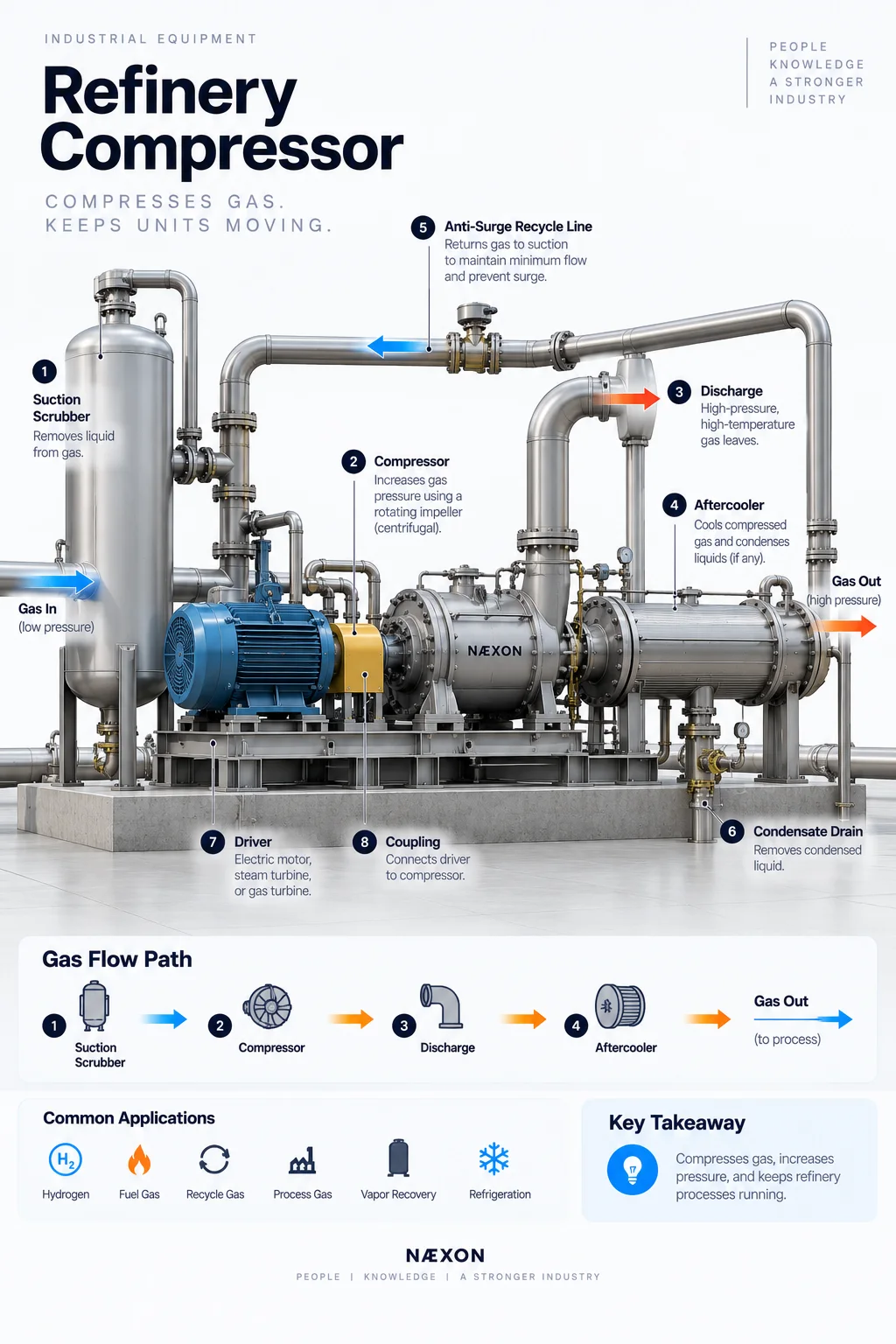
Read article →Learn how compressors increase gas pressure for refinery and gas processing service, and why drivers, seals, bearings, cooling, and controls matter.
Read article →Learn how refinery centrifugal pumps convert shaft power into liquid flow and pressure, from suction and the impeller eye through the casing to discharge.
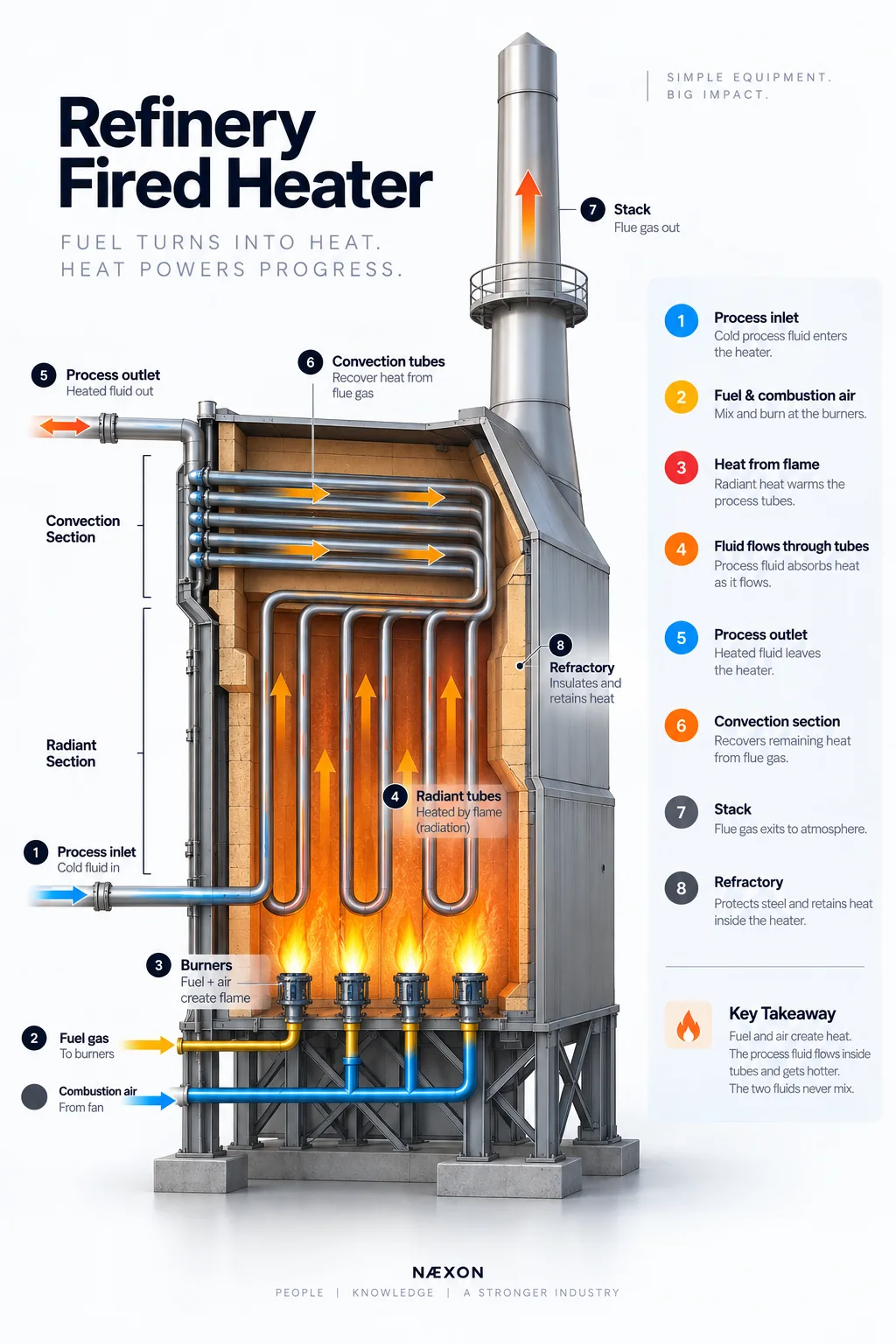
Read article →Learn how refinery fired heaters use burners, process tubes, radiant and convection sections, refractory, and stacks to raise fluid temperature.
Read article →Learn how refinery heat exchangers move heat between process streams while keeping fluids separated, with common designs and field considerations.
Read article →Explore the components inside refinery distillation towers and how they guide vapor and liquid contact to separate hydrocarbons.
Read article →Learn how an atmospheric distillation column uses heating, vaporization, internal contact, and side draws to separate crude oil.
Read article →