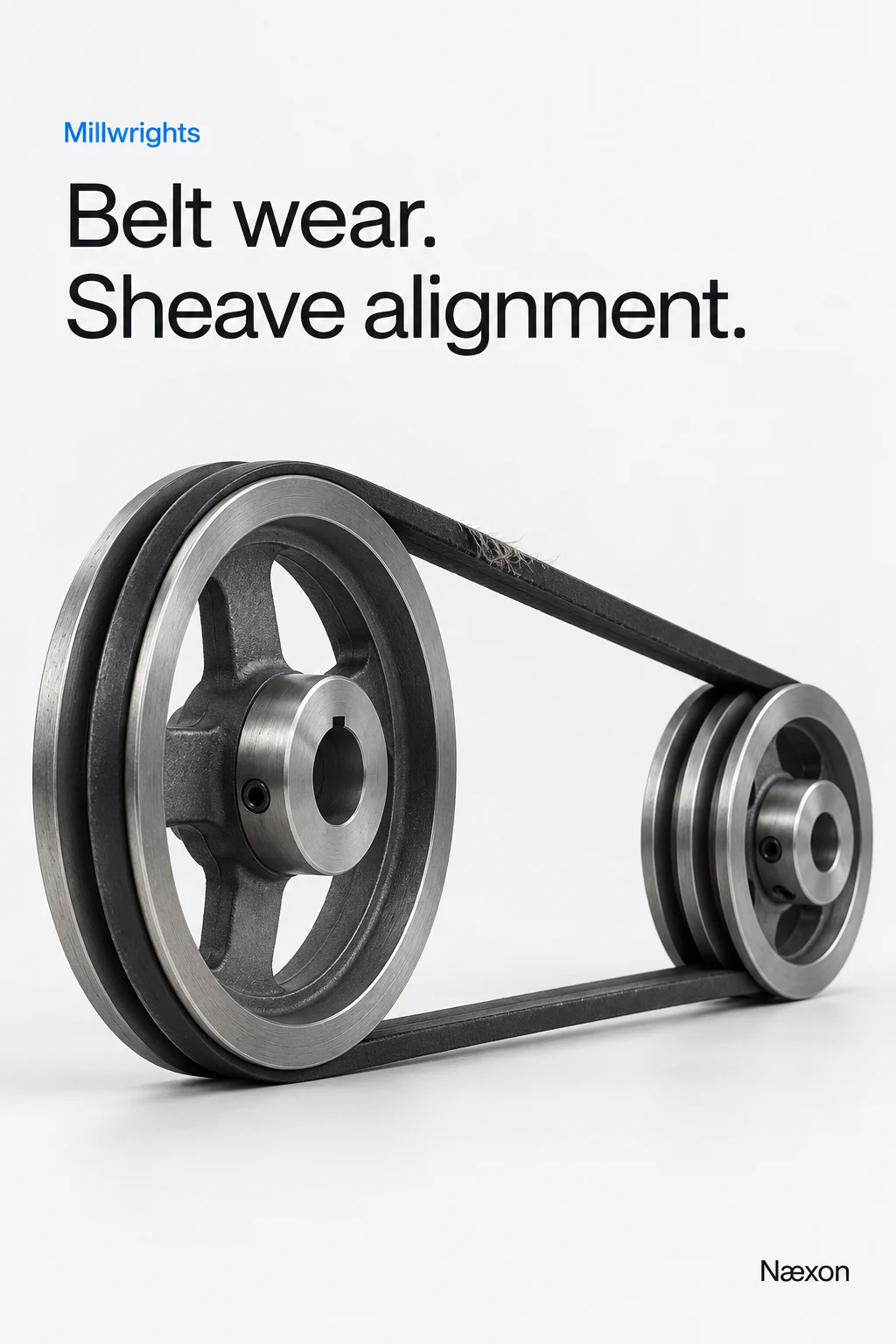
Millwrights: How to Diagnose Belt Wear and Correct Sheave Misalignment
Learn how millwrights diagnose V-belt wear, check sheave alignment, correct mounting problems, and set belt tension to prevent repeat failures.
Read article →Næxon Journal
Build your skills with step-by-step lessons in pipefitting, crane hand signals, and refinery units. Explore the courses and subscribe free on Næxon.
220 articles
Learn how millwrights diagnose V-belt wear, check sheave alignment, correct mounting problems, and set belt tension to prevent repeat failures.
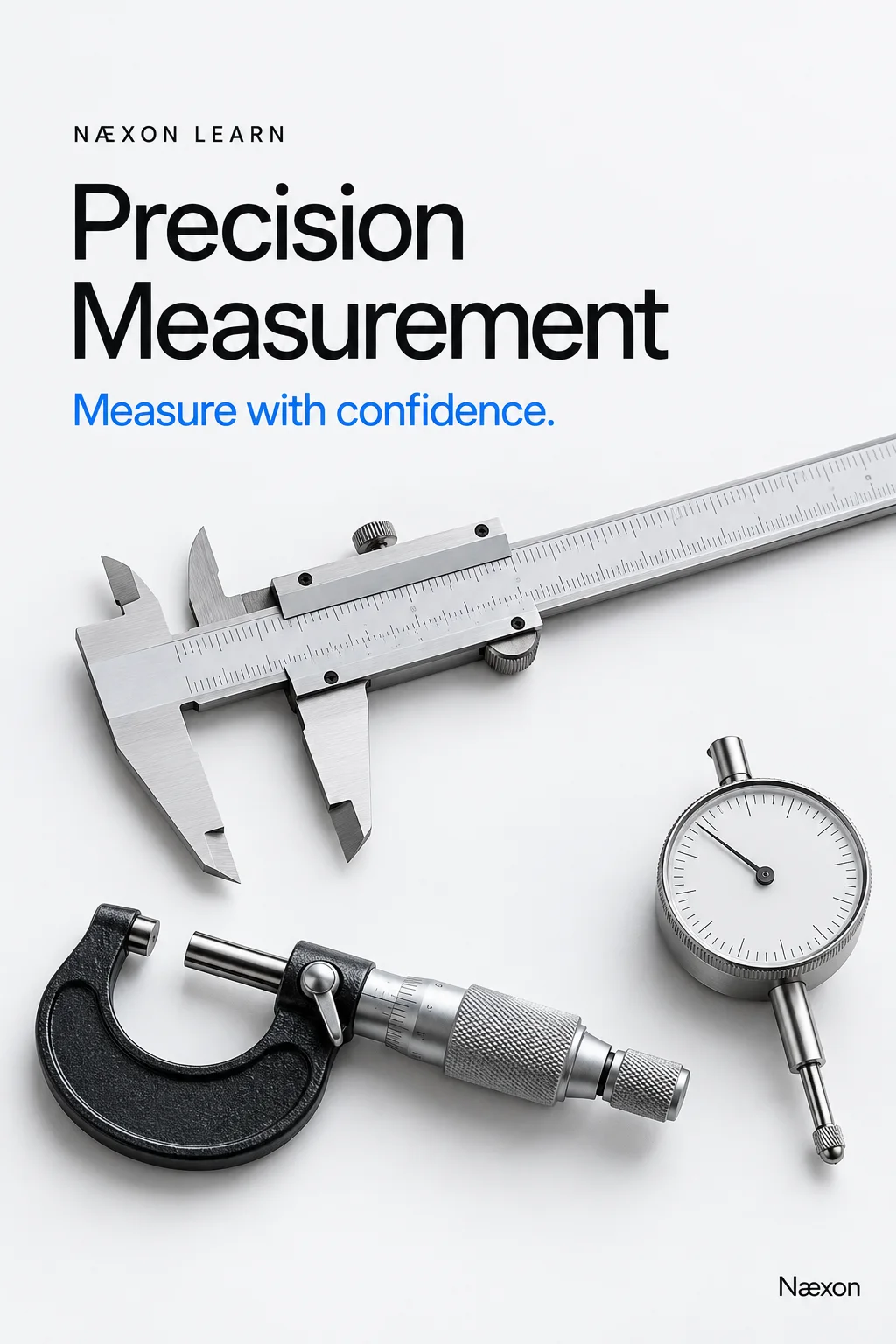
Read article →Learn to select and use calipers, outside micrometers, and dial indicators with practical examples, reading techniques, runout calculations, and inspection checks.
Read article →Learn to calculate rolling offsets, distinguish travel from cut length, establish elbow orientation, and check pipe layouts with practical worked examples.
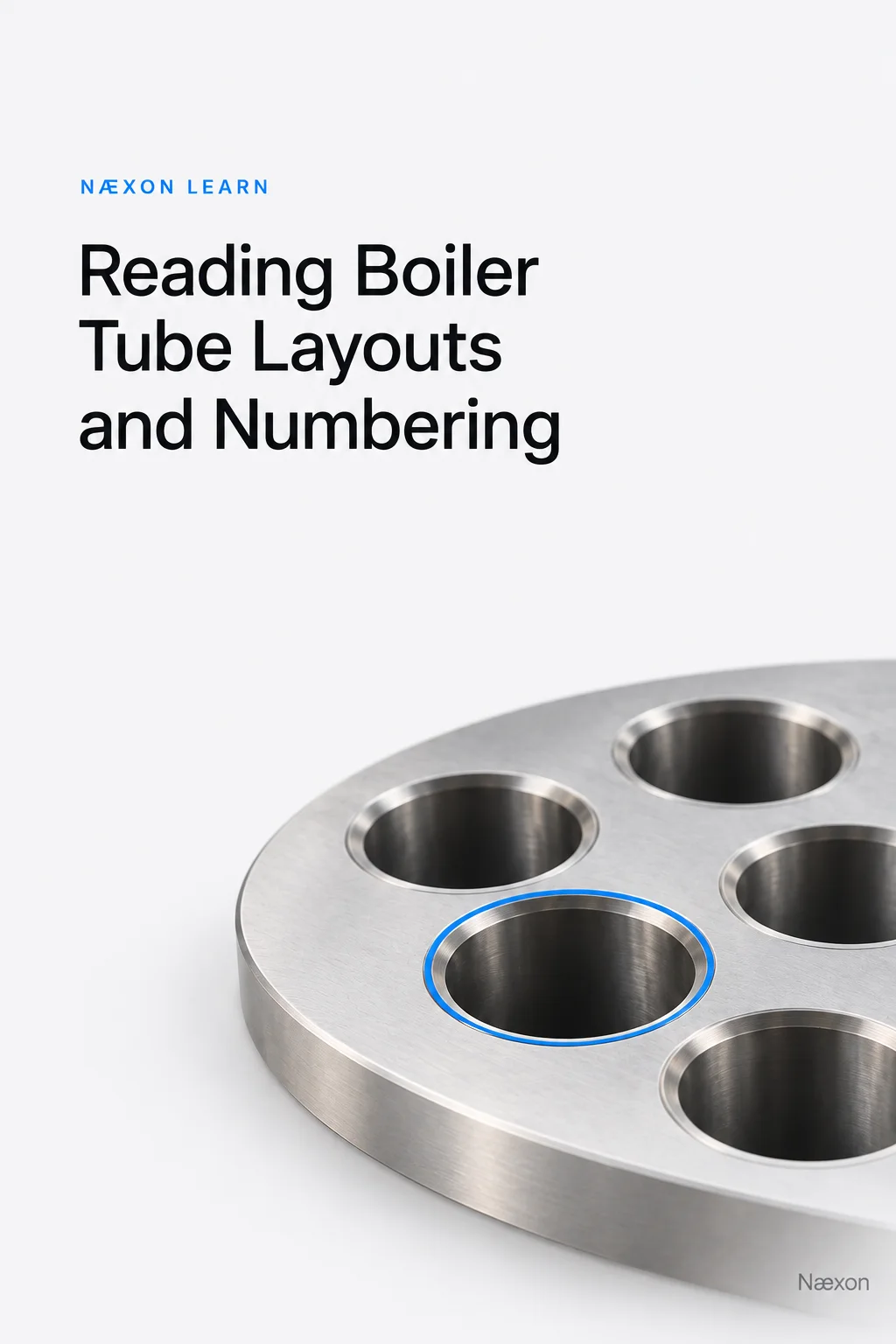
Read article →Learn how to read boiler tube layouts, establish viewing direction, follow row and tube numbering, check pitch, and document inspection locations in this four-part boilermaker lesson.
Read article →A suspended load starts turning after pickup. Learn what riggers check first: lift points, sling twist, center of gravity, wind, and the lift plan.
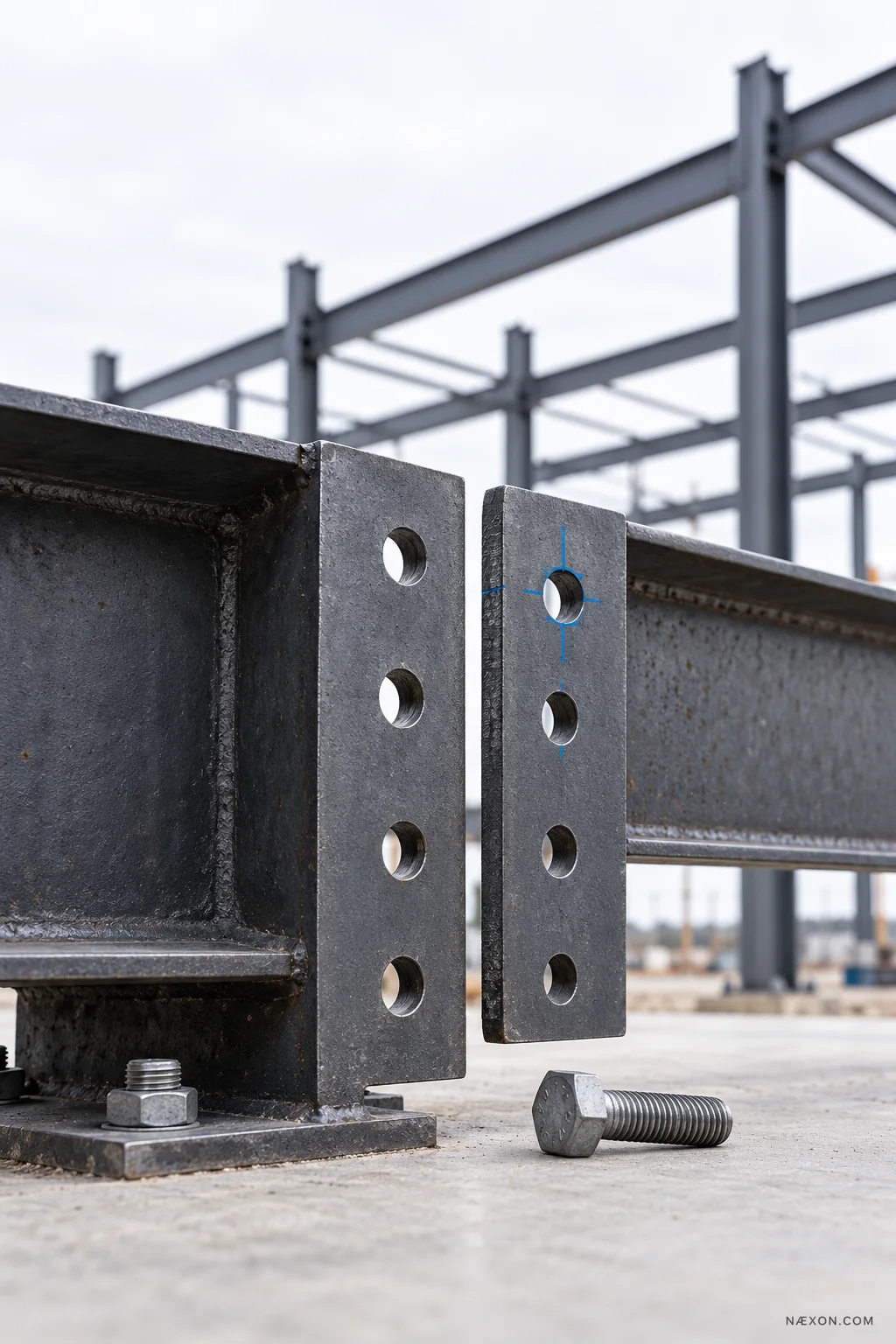
Read article →When steel connection holes do not align, check member marks, orientation, position, and fit-up before forcing or changing the connection.
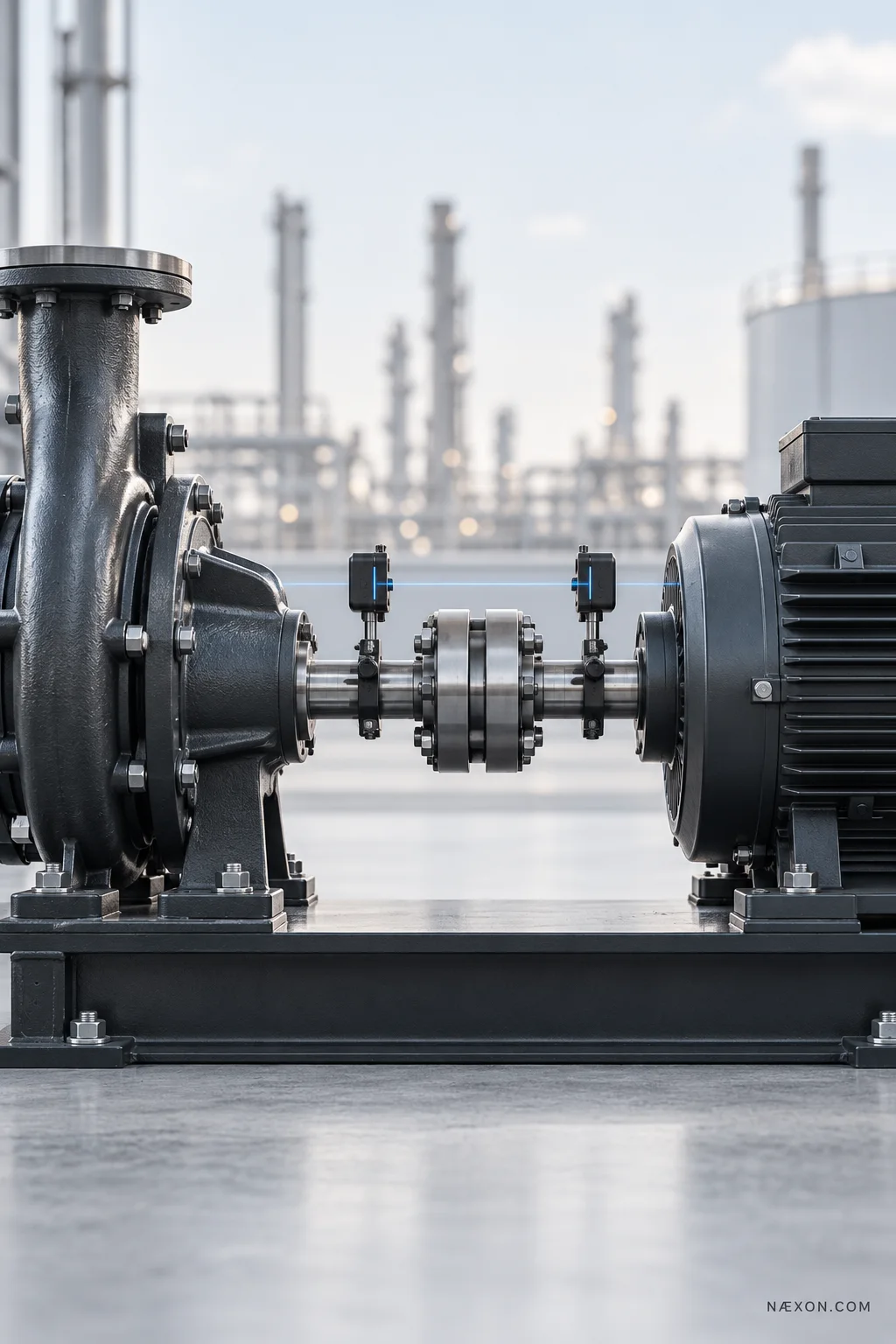
Read article →A pump’s alignment can change after its first run. See how thermal growth, pipe strain, soft foot, and operating conditions affect the readings.
Read article →A transmitter reads correctly in the field, but the control room disagrees. Trace the 4–20 mA signal through output, wiring, input, and scaling.
Read article →A motor trips during startup. Identify the protective device and trip timing, then check the driven load, supply, fault history, and settings.
Read article →Explore the piping, valves, equipment connections, and installation details pipefitters handle in data center cooling systems.
Read article →Is the steam trap faulty or is the surrounding system the problem? Check the station, condensate return, pressure, and discharge before replacing it.
Read article →An overnight hydrotest shows a lower pressure. Compare temperature, gauge readings, trapped air, and visible leaks before deciding what changed.
Read article →