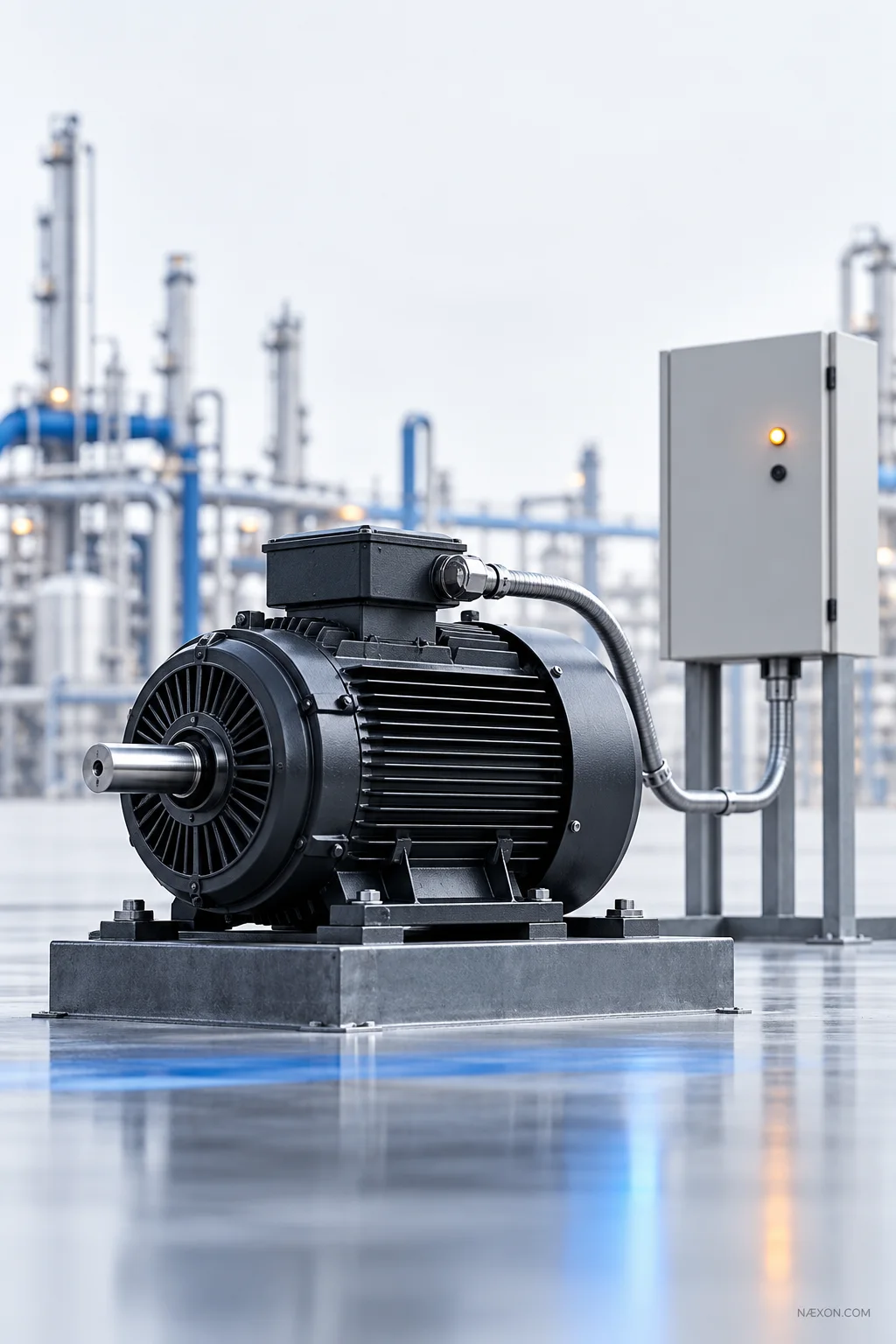
A motor starts, runs for a second, and trips. Someone resets it. It trips again.
Before the next attempt, an electrician needs to identify what tripped and when. A breaker opening instantly points toward a different investigation than an overload tripping after the motor struggles to accelerate. A variable frequency drive, or VFD, may provide a fault code that narrows the search further. Repeated resets can heat or damage equipment without revealing the cause.
Start with the device that stopped the motor
Find out whether the trip came from the circuit breaker, motor overload, VFD, motor protection relay, or control system. Record the fault indication before it is cleared. Check whether the motor failed immediately, accelerated slowly, or reached speed before stopping.
This first distinction keeps the crew from treating every trip as an “overload.” The protective device is reporting what it detected; the next job is to determine why that condition occurred.
Ask what changed
Did the motor run correctly yesterday? Was the pump, fan, conveyor, or driven machine recently serviced? Was a motor, drive, starter, cable, or protective device replaced? Did the problem begin after a shutdown?
A new startup problem after maintenance can point toward a changed load condition, a connection issue, or a setting that does not match the installed motor. Compare the current installation with the approved drawings, motor nameplate, and equipment documentation.
Check the driven equipment
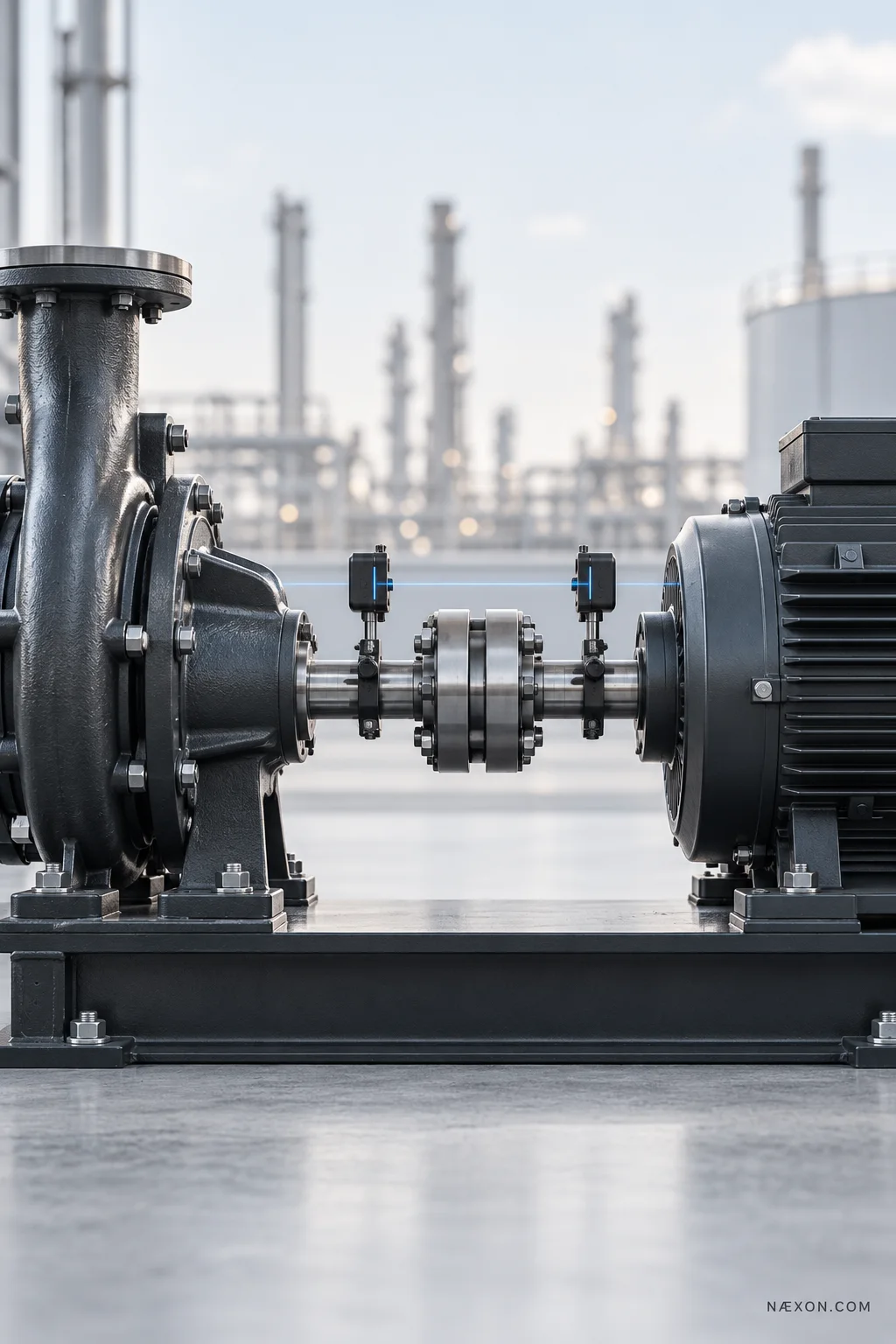
The motor and its load must be considered together. A jammed conveyor, binding pump, seized bearing, or unusually heavy starting load can keep a motor from accelerating normally. An electrician should coordinate with the millwright or equipment operator to establish the mechanical condition before another start attempt.
Do not assume the electrical protection is set incorrectly because the motor trips under load. It may be doing exactly what it was designed to do.
Review power and phase conditions
A motor that receives low voltage during startup may accelerate slowly and draw high current for longer than expected. Phase loss or imbalance can also trigger protection and threaten the motor. Qualified personnel can compare the supply and motor-circuit conditions with the equipment specifications using the site’s approved diagnostic procedure.
The useful reading is often what happens during the start, not just a normal-looking voltage measured before it. Capture the relevant fault and measurement data so the team can distinguish a supply problem from a motor or load problem.
Compare protection settings with the motor
Check the motor nameplate against the documented overload or drive parameters. A VFD may also report an acceleration, phase, overcurrent, or motor thermal fault. Read the specific fault history and manufacturer guidance before changing anything.
Never increase an overload setting, extend a start time, or bypass a protective function merely to get the motor running. A setting change needs an identified cause, an approved design basis, and the appropriate authorization.
Make the next test deliberate
Once the likely cause has been identified, plan the next test with operations and the affected trades. If work requires opening equipment or touching conductors, follow the site’s isolation and lockout procedure; a qualified person must verify the electrical parts are de-energized before exposure. Energized diagnostic work requires the site’s electrical safety controls and qualified personnel.
Record the original fault, findings, correction, and result of the next start. That record helps prevent a recurring trip from becoming the next shift’s mystery.
The takeaway: the fastest way to solve a startup trip is to slow down long enough to identify the protective device, the trip timing, the motor’s load, and what changed. The fault indication is the beginning of the diagnosis—not a request to hit reset again.
Editorial fact-check, separate from the article: OSHA addresses isolation and verification before electrical work; motor equipment guidance identifies overload, phase, and startup protection responses; power-quality guidance explains why voltage sag during starting matters.